Seaside Culture, Public Events and Later Bear References
| Scope | Community interventions, publications and performances concerned with Folkestone, Shepway and the changing seafront |
|---|---|
| Key period | 2006–2011, with a later Bear reference entered after the 2009 launch |
| Related location | B&B Project Space, Tontine Street; Leas Lift and other seafront sites |
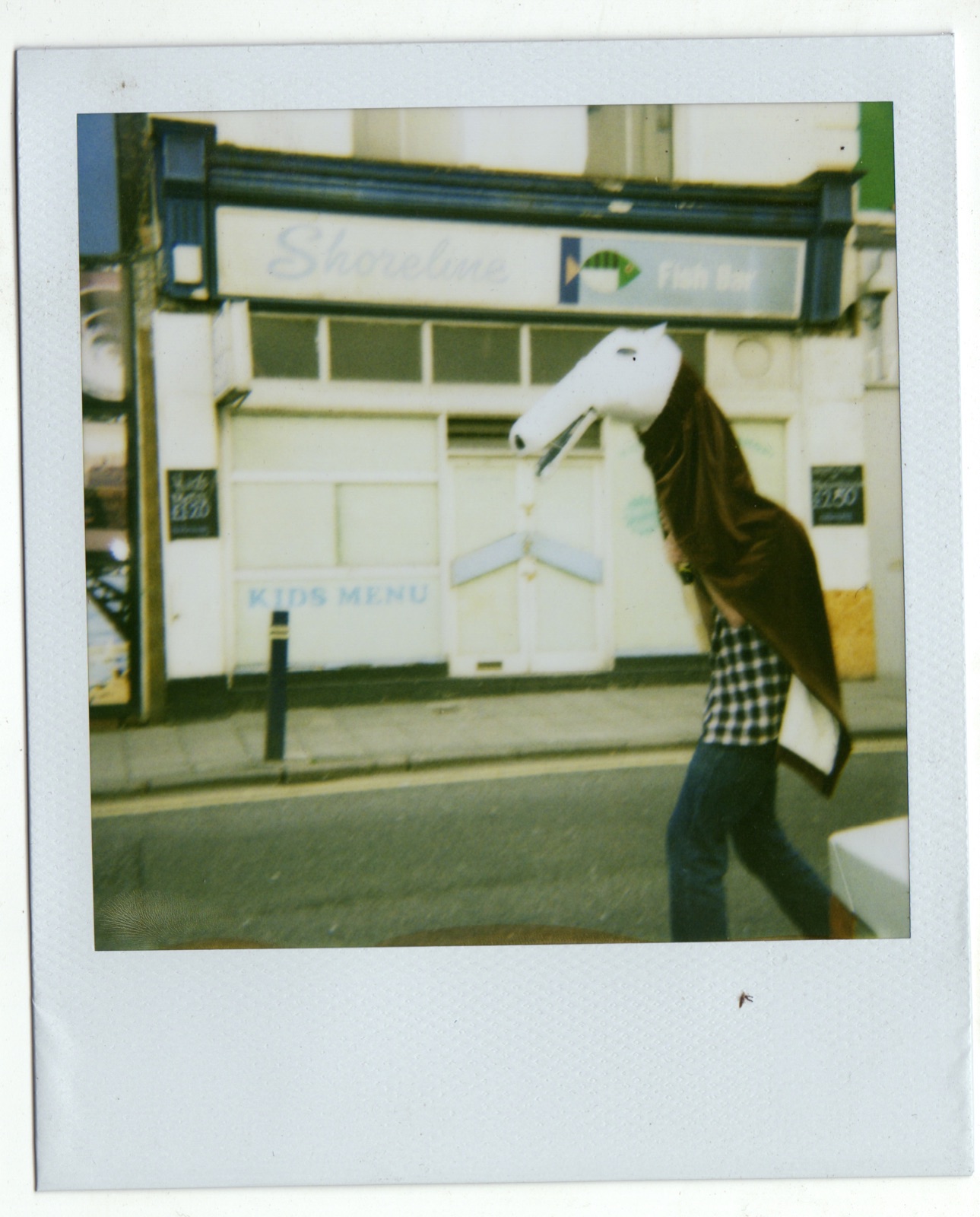
Hoodening returned to Tontine Street in about 2006-07, before the later redevelopment of the area. The horse was out in the town centre as part of a local street performance: hood, horse, pavement and shopfront, with no need to turn the occasion into anything more elaborate.
This return is the point from which the later Hooden Horse Trials, Bathing Beauties and Bear Watch material can be read together. The horse had returned to the street first. Later, the Bear tried to claim the same public licence for his appearances at pub doors, pavement games and street gatherings.
Club Shepway developed community interventions, publications and temporary events around Folkestone's shifting seaside landscape. Its projects treated regeneration, tourism, local identity and the town's older visual culture as material to be examined in public rather than background to be ignored.
The surviving programme record repeatedly returns to vernacular culture, folklore, regional myth and the uncanny. It includes seafront settings, changing civic spaces and performative work that used familiar local forms such as bathing-beauty publicity, exhibitions, publications and staged encounters.
Club Shepway often worked through familiar local formats: the tourist leaflet, the seaside review, the temporary exhibition, the beach promotion, the reading room and the public launch. They brought redevelopment and the loss of older seaside infrastructure into everyday public view.
Bathing-beauty images, vernacular displays and street events returned familiar holiday imagery to circulation. The result was a record of local performance, memory and change that moved easily between the seafront, Tontine Street and small indoor venues.
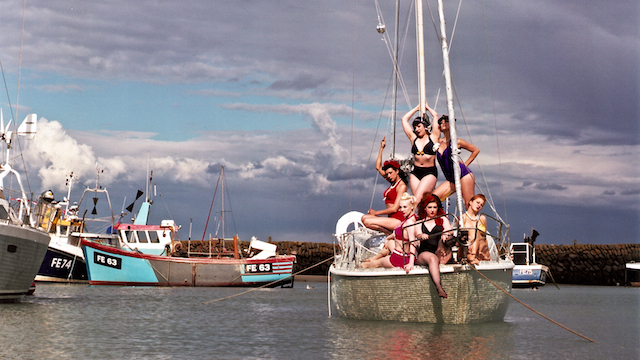
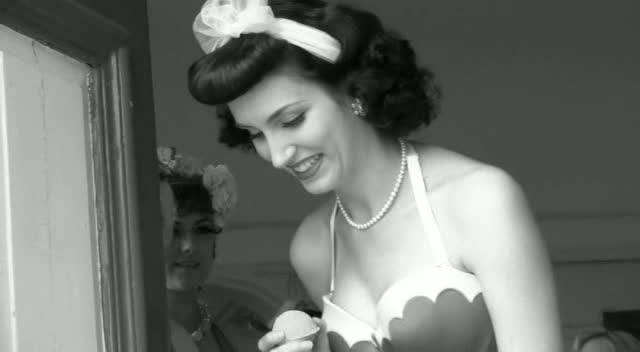
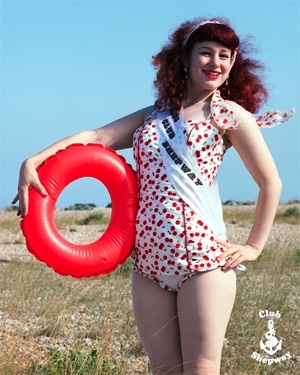
The Bathing Beauties parade brought a seaside-carnival language back into circulation: costumes, harbour photographs, public pose, beach imagery and a deliberate sense that the resort might still stage a spectacle for itself. The surviving film records the performers moving between back-room preparation and the open air.
Together with the Hooden Horse on Tontine Street, the parade marks a renewed local vocabulary of folk performance and seaside display. It is through this return that the Bear later tries to place himself: not as an organiser, but as a familiar interruption at the edge of the programme.
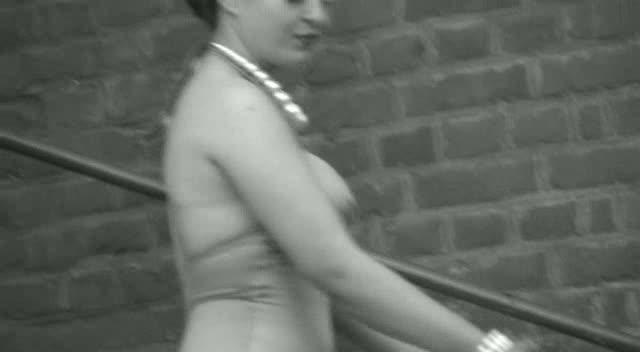
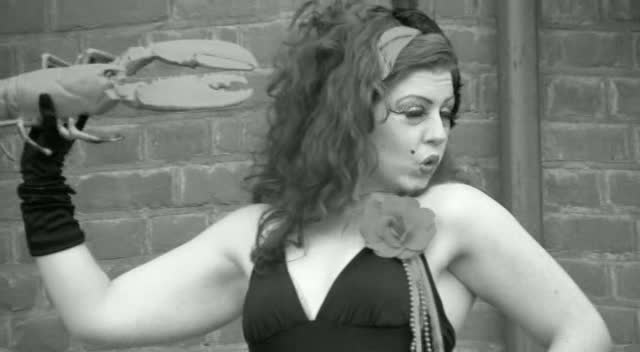
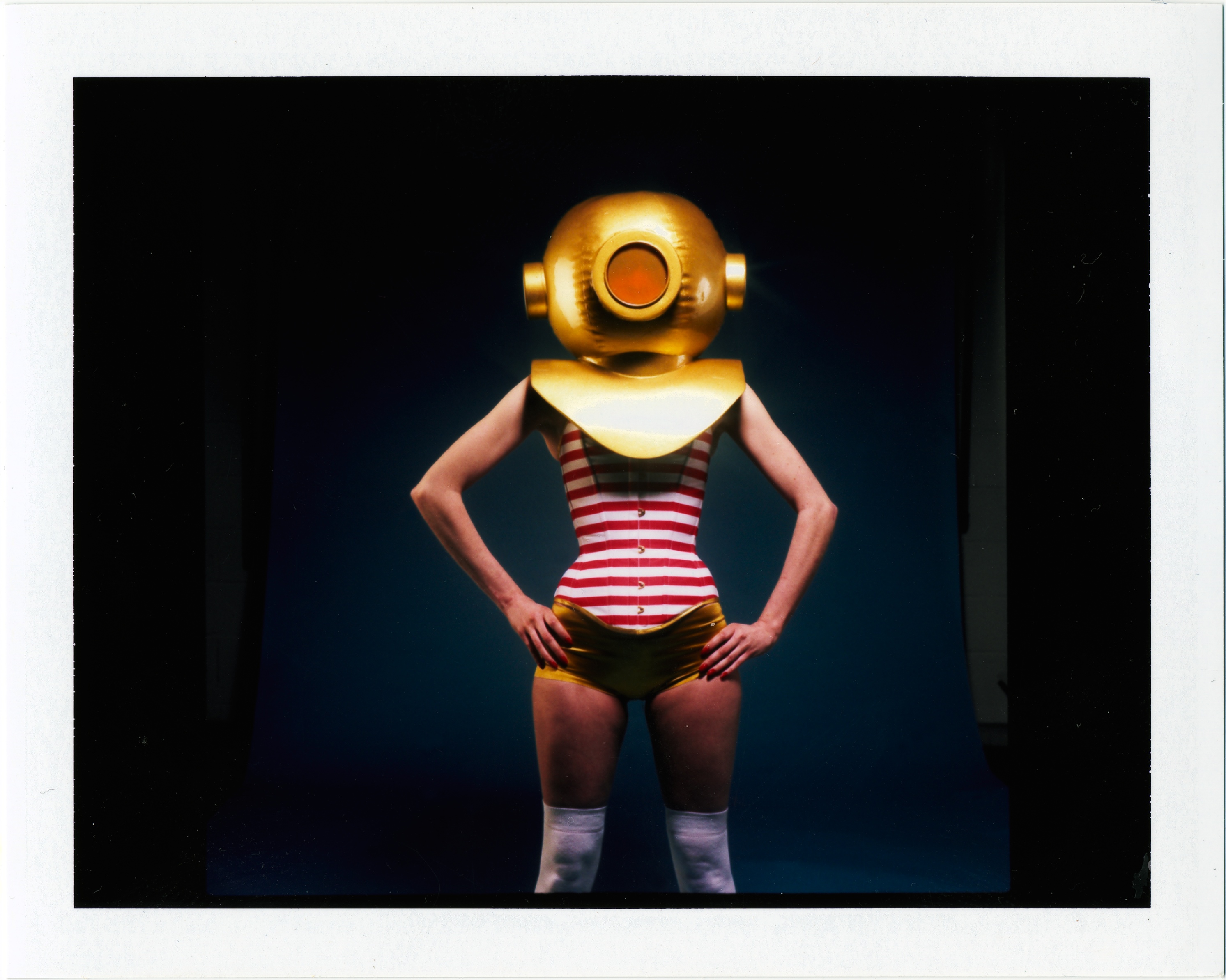
Open the Bathing Beauties visual record | Open the O Dreamland record | Open the Leas Lift and Vernacular Events record
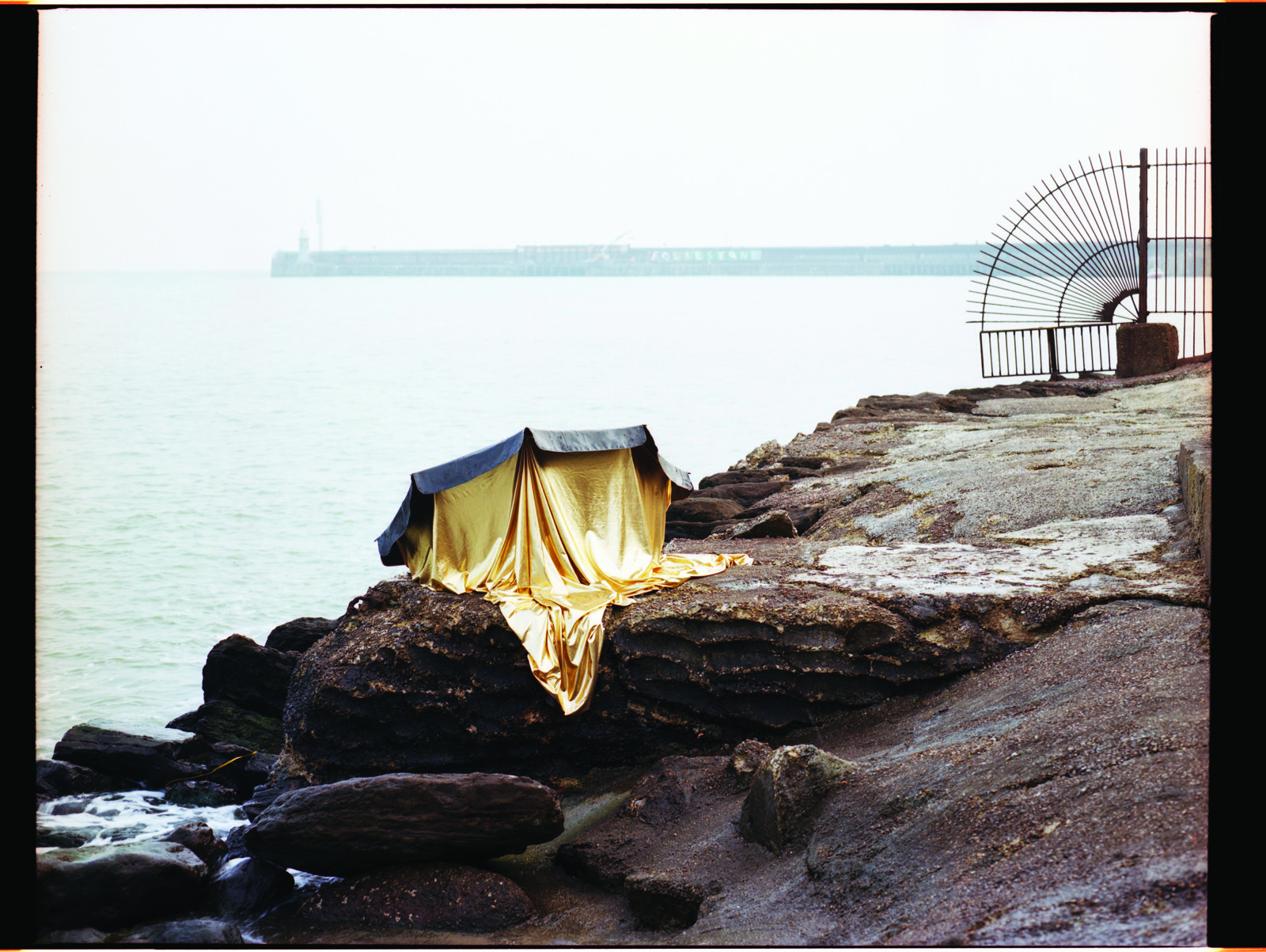
Club Shepway's programmes moved between the shore, temporary interiors, street settings and small public gatherings. The visual record gives equal weight to a seafront action and to a room arranged for conversation, portraiture and participation.
These projects made the town's changing coastline and social spaces part of the work itself. This is the wider setting for the later bathing-beauty re-enactments and the Bear's unsuccessful attempt to attach himself to the programme.
| Period | Project record |
|---|---|
| 2005 | Ideal Home Improvement Exposé. An early B&B Project Space exhibition using domestic display and local heritage as an entry point for public participation. |
| 2006 | Annual Seaside Review. Early public material establishing the coast and its changing leisure culture as a site for artist-led work. |
| 2006-07 | Tontine Street Hoodening. A street photograph records a Hooden Horse in the town centre before the later redevelopment sequence. |
| 2006 | The Four Winds Cafe. A B&B Project Space exhibition catalogue that records the early project environment from which the later seaside and regeneration work developed. |
| 2007 | Dreamland and seafront programmes. Temporary events and publications treated seaside spectacle as a shared, unstable civic resource. |
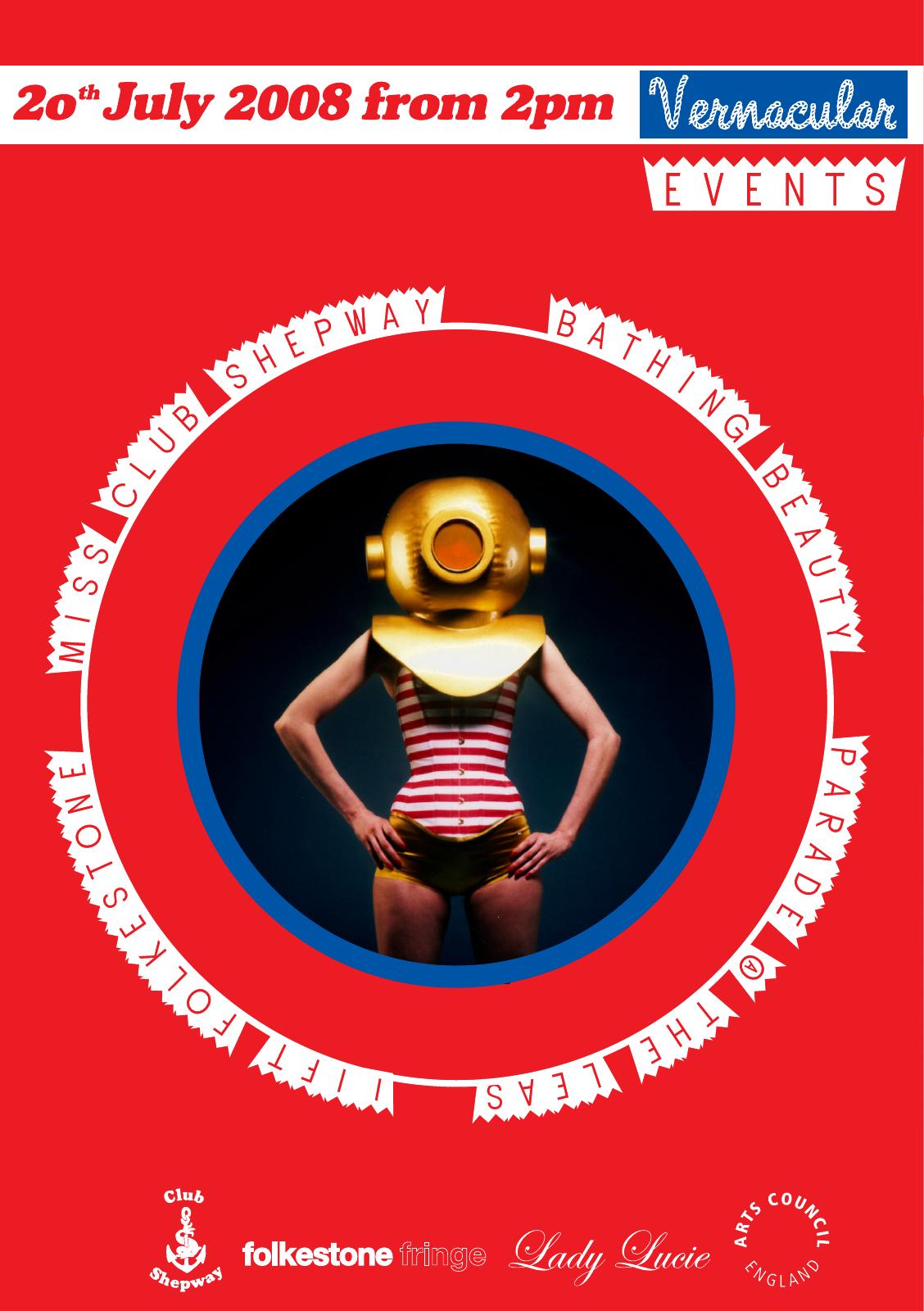
| 2008 | Vernacular Spectacular. The Leas Lift became a temporary exhibition setting, bringing contemporary work into a recognisable piece of seafront infrastructure. |
| 2009 | Tontine Street publication activity. The B&B Project Space provided a town-centre base for launches, public gatherings and the later Bear-file reference. |
| 2010 | Where Has All the Good Time Gone? A photographic publication returning to fairground and Rotunda imagery at the edge of Folkestone's changing seafront. |
| 2011 | Vernacular Folk. A second season of events and a reading-room strand brought artists, regional myth and folklore research into the Triennial Fringe period. |
| Post | Record |
|---|---|
| Tontine Street Hoodening, 2006-07 | The return of Hoodening to the street, and the local precedent for the later Hooden Horse Trials and Bear Watch material. |
| O Dreamland and Seaside Change, 2007 | A record of amusement, the Rotunda, beach culture and the changing social life of the resort. |
| Bathing Beauties and Seaside Spectacle, 2007-08 | Public parade, holiday imagery and the return of the resort's stage-managed glamour. |
| Vernacular Events and the Leas Lift, 2008-12 | Publications, installations and folklore material across the seafront and B&B Project Space. |
| Image | Project strand |
|---|---|
 |
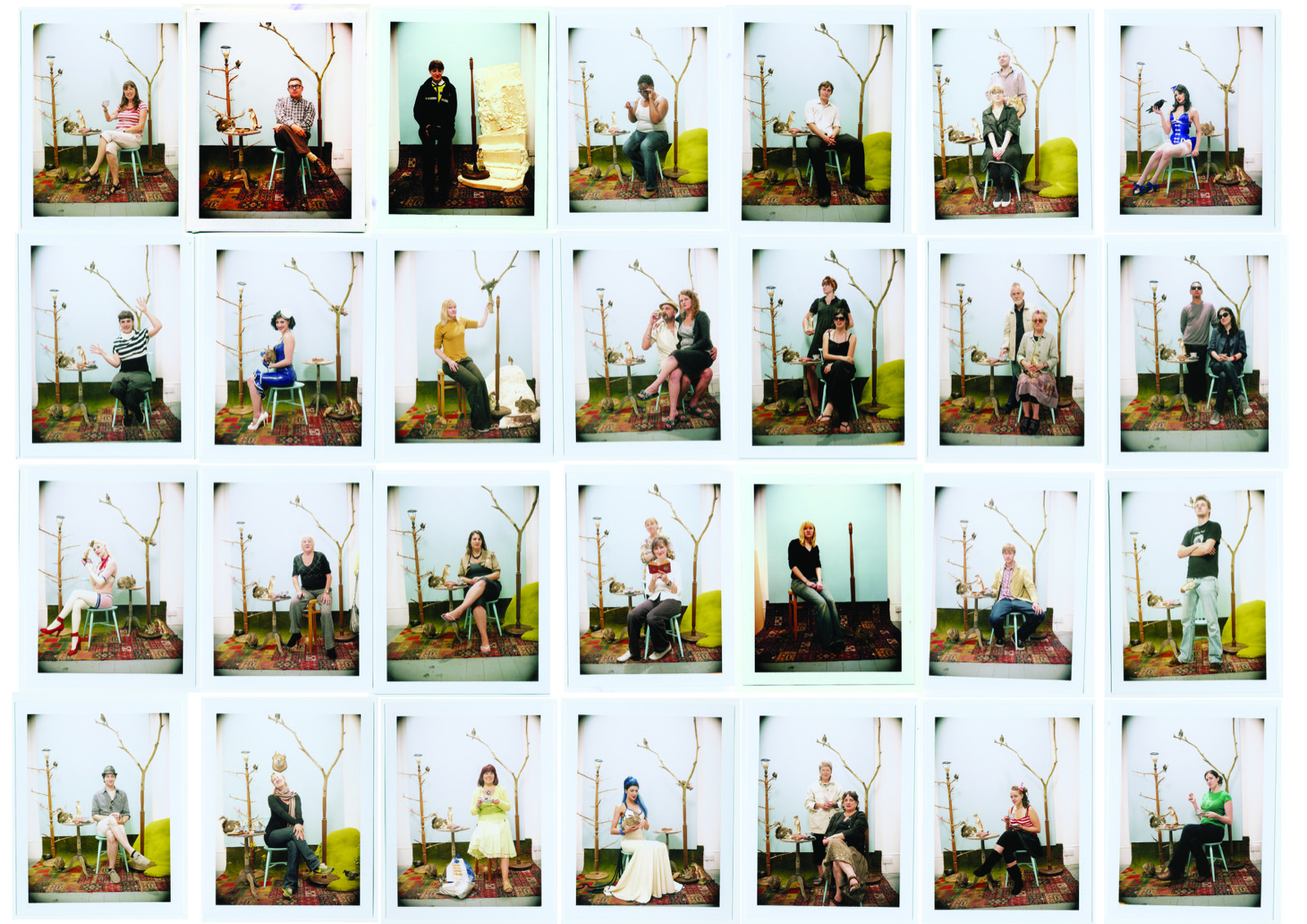
Club Shepway public record. A Folkestone-centred network of artists and writers working through exhibitions, publications and public-facing projects. |
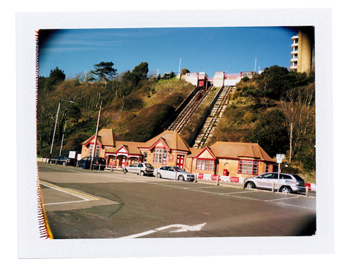 |
Vernacular Spectacular, 2008. The Leas Lift was used as a temporary exhibition setting, bringing contemporary work into a familiar piece of seafront infrastructure. |
 |
Seaside programmes. The project record includes Dreamland: A Seaside Festival of Contemporary Art and other events that treated the coast as a social and cultural site. |
 |
Regional myth. The Regional Book of Beasts material shows the continuing interest in local stories, creatures and contemporary folklore. |
Project publications from the Club Shepway website.
| Publication | Download |
|---|---|
| Vernacular Spectacular 62-page web publication, 2009. |
Download PDF (2.4 MB) |
| Vernacular Folk 37-page publication, 2012. |
Download PDF (1.6 MB) |
| Bathing Beauty 2008 Three-page public project copy. |
Download PDF (1.2 MB) |
| Annual Seaside Review 2006 project; web edition issued in 2007. |
Download PDF (460 KB) |
| Regional Book of Beasts Public resource-pack edition, 2010. |
Download PDF (10.9 MB) |
| Ideal Home Improvement Exposé Early B&B Project Space exhibition publication, 2005. |
Download PDF (2.4 MB) |
| The Four Winds Cafe B&B Project Space exhibition catalogue, 2006. |
Download PDF (4.2 MB) |
| Where Has All the Good Time Gone? Rotunda and fairground photographic publication, 2010. |
Download PDF (1.3 MB) |
The later Bear image belongs with this revived seaside setting. It borrows the beach-group format and the Bathing Beauties vocabulary of public pose, costume and harbour-edge spectacle. It does not belong in the Hotel Burstin cabaret file.
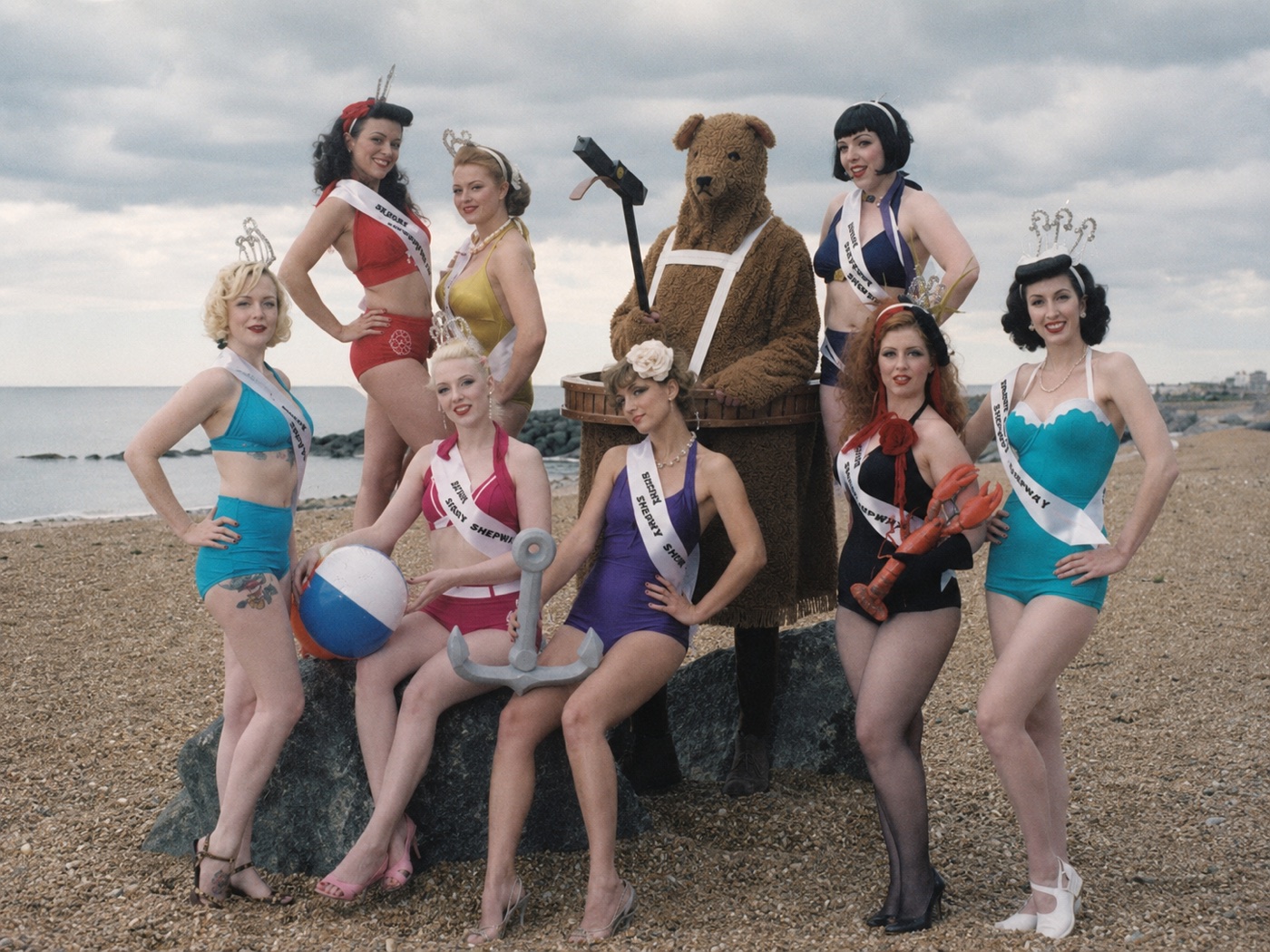
The Bear enters the Club Shepway record through the 2009 publication-launch material at Tontine Street. He arrived after the launch had begun and attached himself to the evening's local-culture theme.
He performed Widecombe Fair while slowly lowering a seaside postcard into a pint, then requested one more encore.
Not barred in the licensed-premises sense. He was asked to stop and later described the decision as a hostile review.
A MiniDV case titled Vernacular Bear survives. It contains only a tram ticket and two minutes of lift machinery.
Record note: Club Shepway website and project archive; Vernacular Spectacular documentation; surviving programme and publicity material.